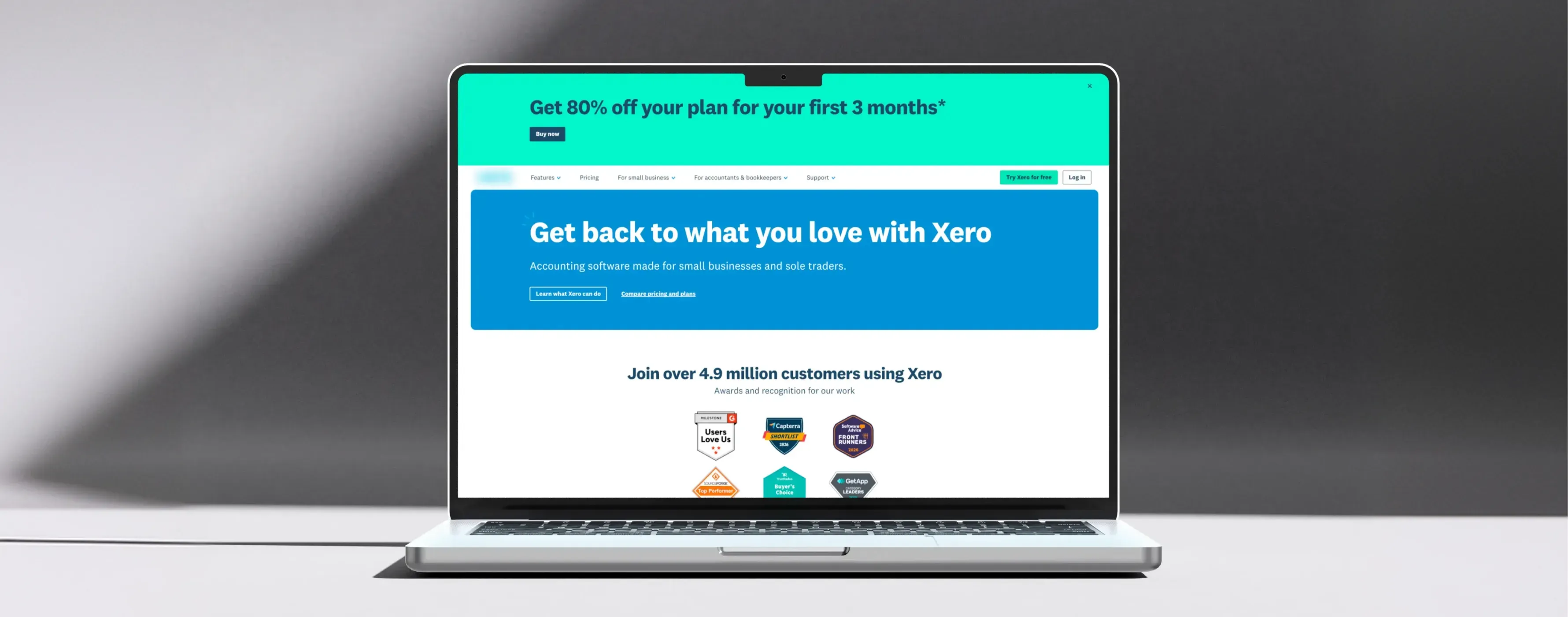
Xero Invoice Sync - Designed to move buyer invoice data into Xero using the same business flow as the QuickBooks integration, consistent record creation regardless of provider
Who Benefits
FinanceOperations
Industry
Architecture Type
Integration Status
Design Principle
Project Type
Xero, QuickBooks, and future providers can be supported without rebuilding core accounting logic.
Invoice, settlement, and payment processes remain consistent across providers.
New accounting integrations require only a provider adapter, reducing engineering effort.
Monitoring, retry, and validation work consistently across all accounting providers.
Challenge
Different Accounting Preferences Across Clients
Root Cause:
Many auction businesses use Xero as their accounting platform of choice, not QuickBooks, and a single-provider platform would exclude them entirely
Business Impact:
Growth into new client segments was blocked; potential clients who preferred Xero had no supported path to onboard
Challenge
Risk of Provider Lock-In
Root Cause:
Building the accounting integration tightly around one provider would make future expansion costly, complex, and disruptive to existing workflows
Business Impact:
The business would face significant rebuild costs and operational disruption every time it needed to support a new accounting platform
Challenge
Consistency Across Providers
Root Cause:
Invoice, settlement, and payment logic needed to stay identical regardless of which accounting platform the client used, inconsistency would create support burden
Business Impact:
Different workflows for different providers would mean more bugs, more training overhead, and less reliable accounting outcomes for clients
Challenge
Lower Long-Term Maintenance Burden
Root Cause:
New accounting integrations should be addable without rewiring the whole product, technical debt from monolithic integration design compounds quickly
Business Impact:
Engineering time spent maintaining separate codepaths for each provider would grow unsustainably as the platform scaled to more clients
Principle
Adapter Pattern, Business Logic Separated from Provider Layer
What We Built
Separated the core auction accounting rules, invoice creation, settlement calculation, and payment matching from the provider-specific API details. Each accounting provider connects through a clean adapter interface, reusing all existing business logic
Why It Matters
Adding Xero requires only implementing the provider-specific adapter layer; all sync tracking, record management, validation logic, and monitoring already exist and are immediately available to the Xero integration
Principle
Shared Sync Discipline and Reporting Across All Providers
What We Built
Built sync tracking, status monitoring, retry logic, and reporting as shared infrastructure that works identically regardless of which accounting provider is active; Xero will benefit from everything already built for QuickBooks
Why It Matters
Finance teams get a consistent operational experience no matter which accounting platform their business uses; switching or adding providers does not change how teams interact with the system
Xero Invoice Sync - Designed to move buyer invoice data into Xero using the same business flow as the QuickBooks integration, consistent record creation regardless of provider
Xero Settlement Records - Supports consignor payout tracking in a Xero-specific format, adapting settlement data to Xero's bill and payment structure without changing the underlying business logic
Xero Payment Matching - Helps align incoming and outgoing payments with the correct Xero records — using the same matching logic already proven in the QuickBooks integration
Provider Switching - Makes it straightforward for a client to move from one accounting platform to another — the auction workflow stays consistent while only the provider adapter changes
Unified Reporting - Keeps the accounting story consistent across providers — sync summaries, status views, and audit trails work the same way whether the client uses Xero or QuickBooks
Future Integration Expansion - Creates a documented, reusable foundation for adding further accounting platforms beyond Xero — each new provider follows the same adapter pattern
Backend

Database

Architecture Pattern
Event Handling
Async Processing
Finance Reporting
Future Provider Support
No Lock-In to a Single Accounting Provider
The adapter architecture means the business can support Xero, QuickBooks, or future platforms without rebuilding core accounting logic, protecting long-term flexibility
Consistent Workflow Regardless of Provider
Invoice, settlement, and payment logic stays identical across accounting providers; finance teams operate the same way whether a client uses Xero or QuickBooks
Lower Long-Term Maintenance Cost
New accounting integrations are added by implementing a provider adapter, not by rebuilding the platform, significantly reducing engineering overhead as the client base grows
Earlier Error Detection Through Shared Infrastructure
Sync monitoring, retry logic, and validation are shared across all providers; failures are caught through the same reliable mechanisms regardless of which accounting platform is active
Stronger Visibility for Managers Across All Provider Setups
Reporting and audit trail infrastructure works consistently for every accounting provider; managers get the same reliable financial progress view regardless of client accounting preference
Optimize your cloud infrastructure, implement robust solutions, and stay ahead of trends with our resource hub.
Join 100+ teams scaling with Cinovic. Fill out the form below to get personalised tour of the platform.
A Xero auction house integration connects auction accounting workflows such as invoices, consignor settlements, payments, and reporting with Xero through a provider-specific integration layer.
It provides workflows for invoice synchronization, consignor settlement records, payment matching, unified reporting, and future accounting platform expansion.
Yes. The provider-agnostic architecture separates core accounting logic from provider-specific APIs, allowing Xero, QuickBooks, and future accounting platforms to use the same business workflows.
The platform uses shared payment-matching logic to align incoming and outgoing payments with the correct accounting records, helping finance teams maintain consistent reconciliation processes.
Yes. The adapter architecture allows new accounting providers to be added through provider-specific adapters while reusing the existing accounting logic, validation, monitoring, and reporting infrastructure.