Unified Order Intake API - Normalises orders from web, marketplace, and POS into one standard format
Who Benefits
OperationsFulfilment
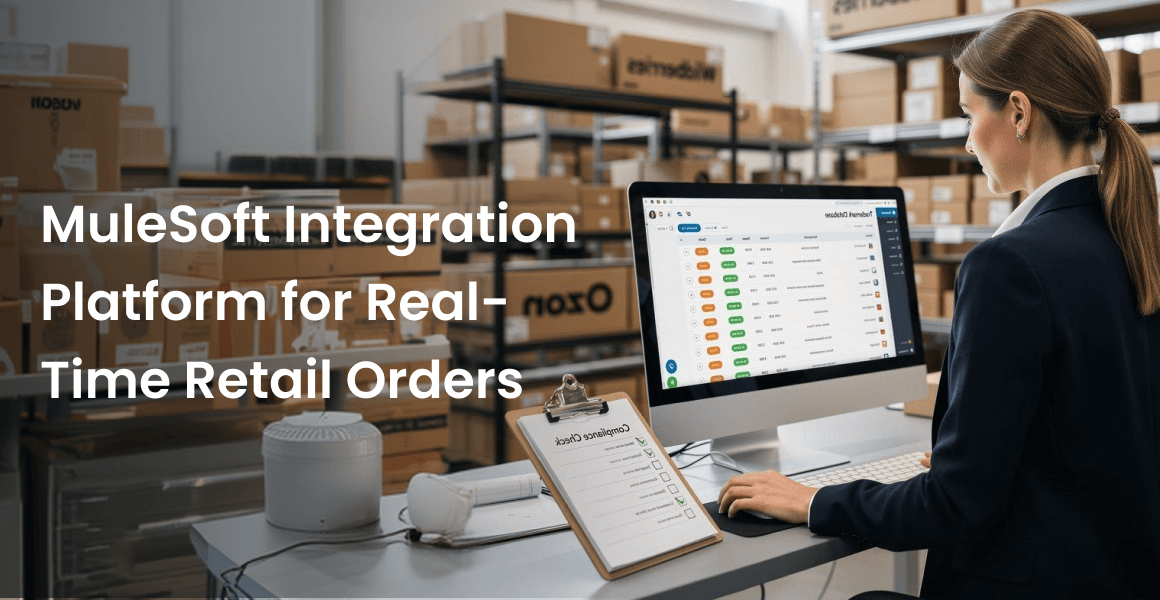
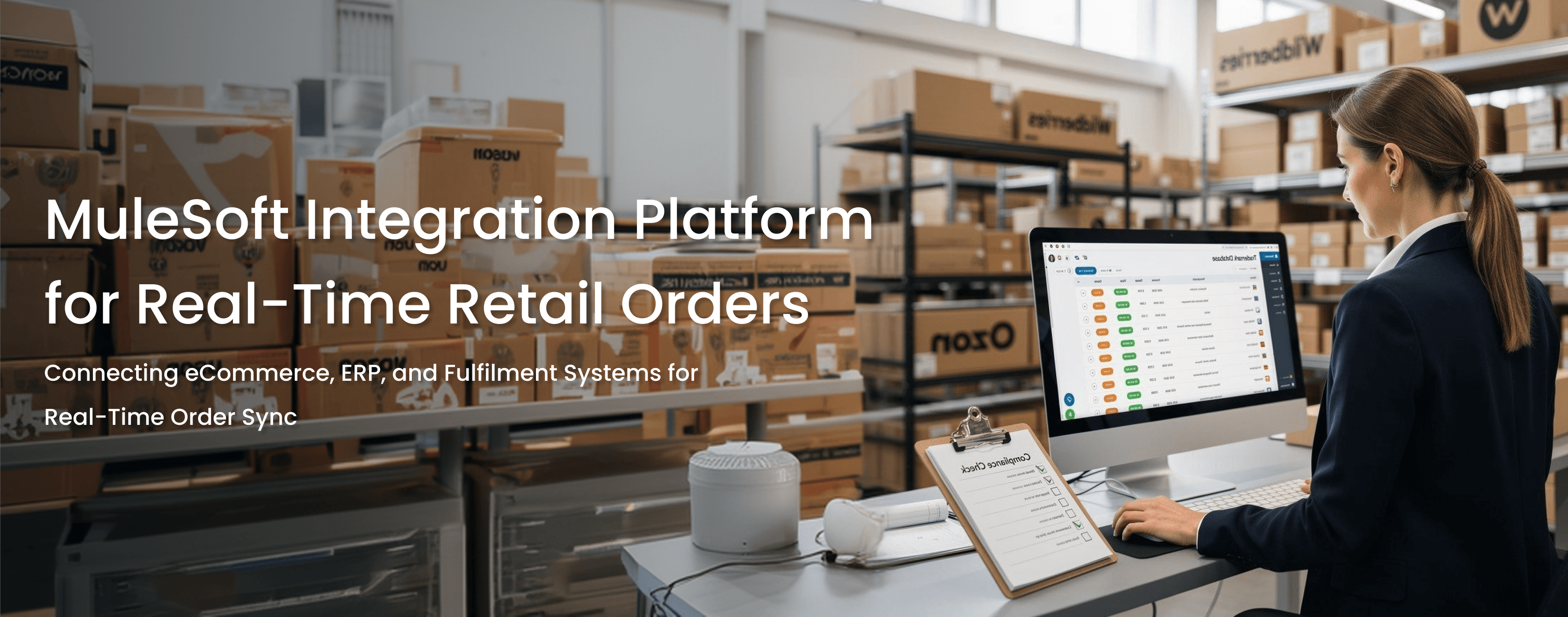
This project is an end-to-end MuleSoft retail order management integration for a retailer selling through its website, marketplaces, and in-store POS. Built on the MuleSoft Anypoint Platform, it delivers omnichannel order management: orders and stock levels stay in sync across every channel, orders reach the ERP in near real time, and shipping status flows back automatically. The outcome is no more overselling, faster fulfilment, and quicker launches on new sales channels. This work is part of our MuleSoft integration solutions and our wider application and system integration services.
Industry
Focus Area
Core Technology
Frontend / Interface
Deployment Model
Stock levels sync instantly across web, marketplace, and POS channels
Real-time sync eliminated the stale-data window that caused overselling
Orders reach the ERP in near real time instead of on a batch schedule
Automated carrier tracking updates reduced manual status-check requests
Challenge
Disconnected Sales Channels
Root Cause
Orders came from the website, marketplace channels, and in-store POS separately
Business Impact
Inventory and order data fell out of sync across channels
Challenge
Manual Order Sync to ERP
Root Cause
Orders were periodically batch-exported into the ERP system
Business Impact
Fulfilment teams worked from stale order data for hours at a time
Challenge
Inventory Overselling
Root Cause
Stock levels weren't updated in real time across all sales channels
Business Impact
Products sold out on one channel still appeared available on others
Challenge
Fragmented Shipping Updates
Root Cause
Carrier tracking updates didn't flow back into the order system automatically
Business Impact
Customer service manually checked carrier sites to answer shipping questions
Challenge
Slow Onboarding of New Sales Channels
Root Cause
Adding a new marketplace meant building a new custom integration from scratch
Business Impact
Expanding to new channels took longer than the business wanted
Unified Order API Layer
What We Did: Built a Process API that normalises orders from every sales channel into one order model before they reach the ERP
Why It Matters: New sales channels connect through the same standard interface instead of a custom build each time
Real-Time Inventory Sync
What We Did: Connected inventory levels across channels through an event-driven integration instead of batch updates
Why It Matters: Stock levels stay accurate everywhere the moment an item sells
Carrier & Fulfilment API Integration
What We Did: Integrated carrier tracking APIs to flow shipping status back into the order system automatically
Why It Matters: Customer service and customers see accurate shipping status without manual lookups
Unified Order Intake API - Normalises orders from web, marketplace, and POS into one standard format
Real-Time Inventory Sync - Updates stock levels across all channels the moment an order is placed
ERP Order Sync - Pushes normalised orders into the ERP system in near real time
Carrier Tracking Integration - Pulls shipping status updates from carriers back into the order system
Order Exception Handling - Flags and routes failed or mismatched orders for manual review
Channel Onboarding Framework - Reusable API pattern for connecting new sales channels quickly
Operations Dashboard - Real-time view of order flow, sync status, and exceptions across channels
Integration Platform
API Layer
Messaging
Security
Infrastructure
Real-Time Cross-Channel Inventory
Stock levels sync instantly across web, marketplace, and POS channels
Fewer Overselling Incidents
Real-time sync eliminated the stale-data window that caused overselling
Faster Order-to-ERP Sync
Orders reach the ERP in near real time instead of on a batch schedule
Fewer Manual Shipping Inquiries
Automated carrier tracking updates reduced manual status-check requests
Faster New Channel Launches
The reusable channel onboarding framework cut new-channel integration time
Better Operational Visibility
The operations dashboard gave leadership a real-time view across all channels
Optimize your cloud infrastructure, implement robust solutions, and stay ahead of trends with our resource hub.
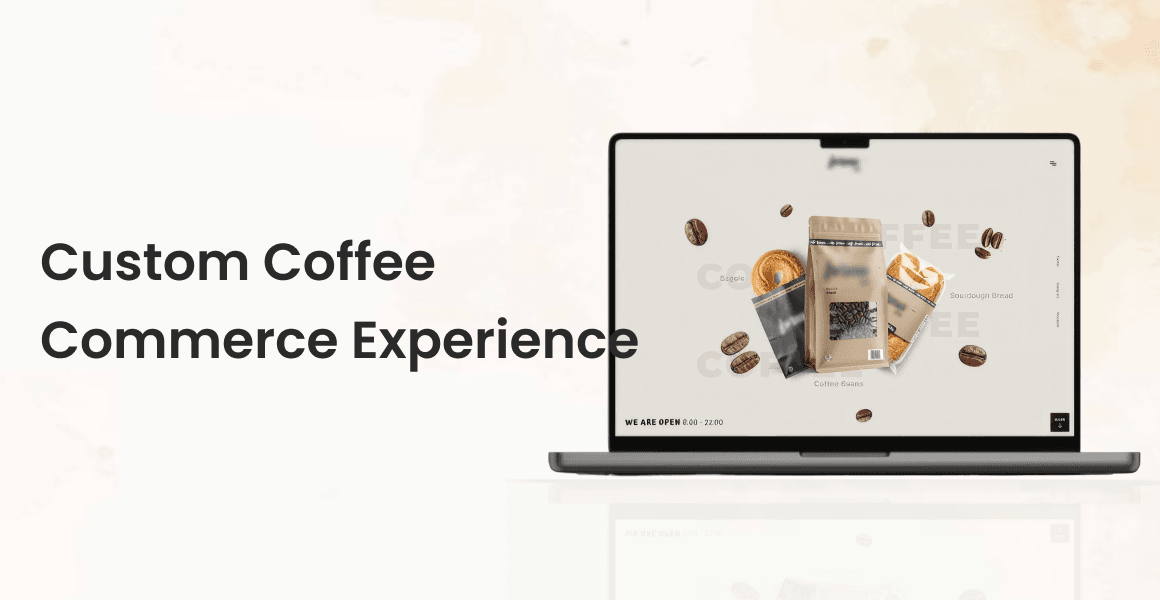
This case study shows how our Shopify development agency team used Shopify Plus development to build a custom storefront that helps a DTC coffee brand turn browsers into subscribers. It covers a brand-led theme, a subscribe-and-save flow, a bundle builder and checkout extensions. See more of our work for eCommerce & Retail brands.
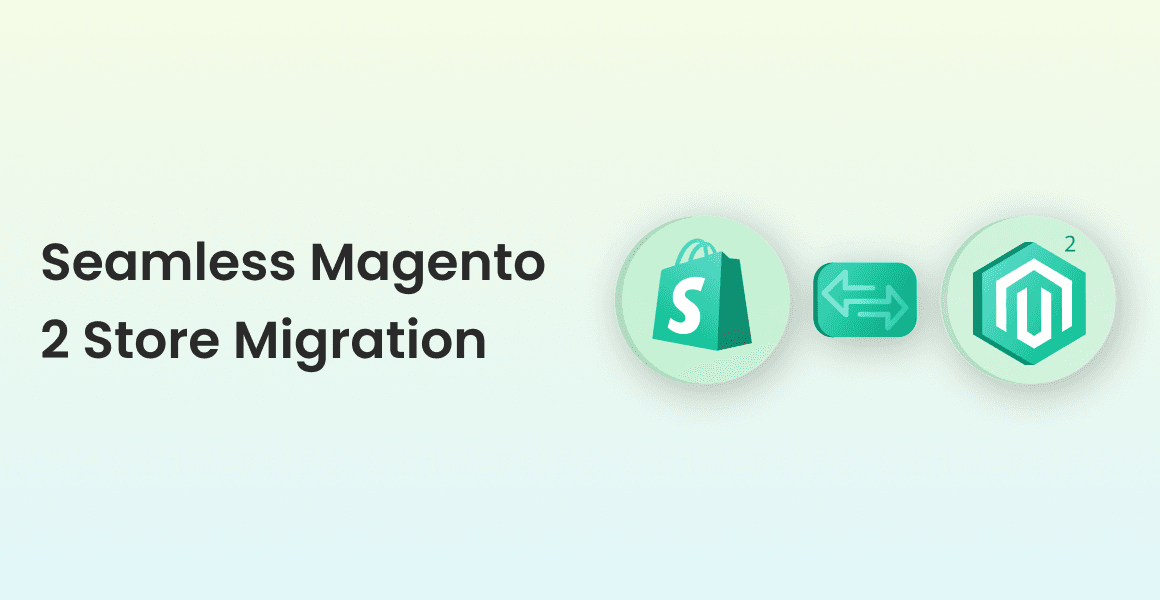
This case study shows how our eCommerce migration services team handles a Shopify-to-Magento migration for a growing apparel brand without losing data or search rankings. It covers catalogue and order migration, 301 redirect mapping, wholesale pricing, and a fast Hyva storefront. See more of our work for eCommerce & Retail brands.
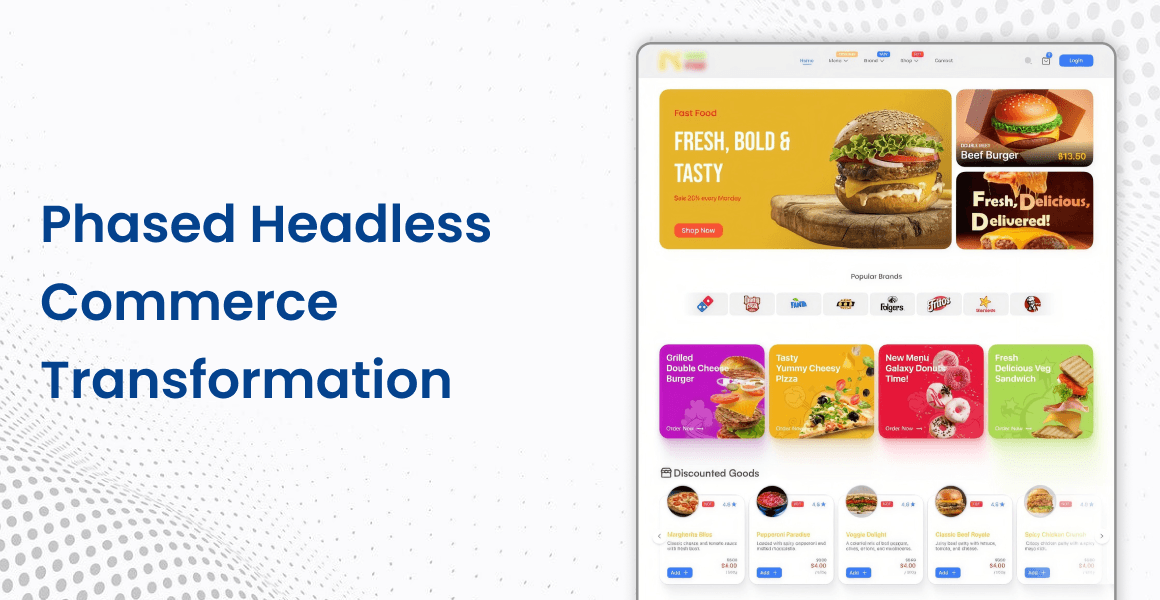
This case study shows how our eCommerce migration services team delivered a headless commerce migration for a specialty foods brand, moving it from a legacy platform in phases. It covers the API-first architecture, a Next.js storefront, headless CMS content, and an SEO-focused approach to Core Web Vitals. See more of our work for eCommerce & Retail brands.
Join 100+ teams scaling with Cinovic. Fill out the form below to get personalised tour of the platform.
API-led connectivity separates System, Process and Experience APIs, so each layer can change without breaking the others. New sales channels, ERP changes or dashboards plug into existing layers instead of needing a new custom integration.
Inventory changes are propagated through an event-driven integration the moment an item sells. Every channel sees the updated stock level immediately, which removes the stale-data window that caused overselling.
A Process API normalises orders from every channel into one standard order model before they reach the ERP. The ERP and fulfilment teams then work from consistent order data regardless of where the order originated.
Shipping status from carriers flows back into the order system automatically. Customer service and customers can see accurate status without anyone checking carrier sites by hand, so manual status-check requests drop.
New channels connect through a reusable onboarding framework and the same standard order interface, instead of a custom build from scratch. This cut the time needed to launch new channels.
Yes. We design and build API-led integrations on the MuleSoft Anypoint Platform around your sales channels, ERP and fulfilment systems. Share those details and we will scope the right architecture.
Talk to the Cinovic team about MuleSoft consulting for your retail business.
Talk to the Cinovic team