Hyva PDP & PLP Rebuild - Product and category pages rebuilt with Hyva for faster rendering (Customers, Core Experience)
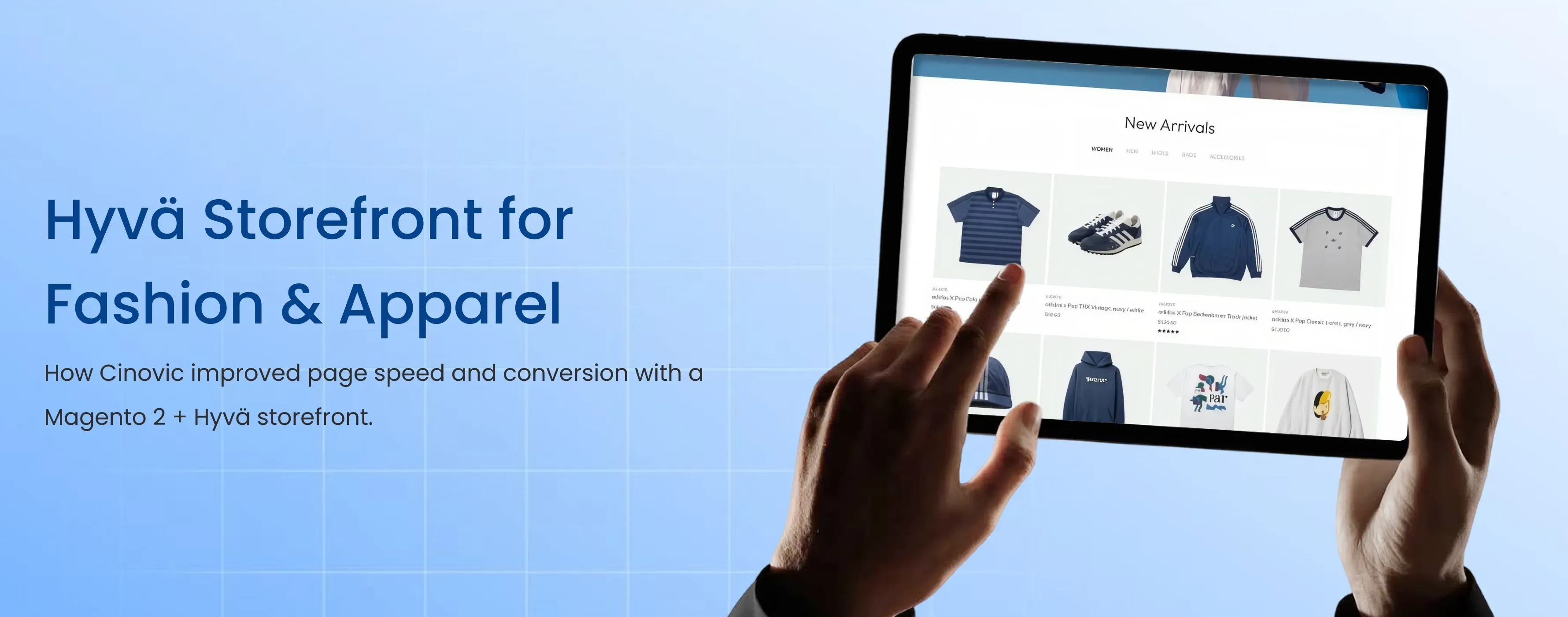
Hyva Storefront for a Fashion & Apparel Retailer
This case study is a real-world example of our work as a Hyva development company, rebuilding a fashion retailer's Magento 2 storefront on Hyva after the legacy Luma theme's heavy JavaScript and CSS payload was slowing down mobile pages and contributing to cart abandonment. We rebuilt the cart and checkout as AJAX-first interactions, replaced the theme with a lightweight Hyva frontend built on Alpine.js and Tailwind CSS, and gave the marketing team CMS-driven campaign blocks so future launches don't need to wait on developers.
Industry
Fashion Retail
Focus Area
Magento 2 Storefront Modernisation
Core Technology
Magento 2 / Hyva Theme
Frontend / Interface
Hyva + Alpine.js + Tailwind CSS
Deployment Model
Cloud Hosting
Outcomes
Outcomes
Faster Mobile Page Loads
Hyva's lighter footprint significantly cut JS/CSS payload versus the legacy theme.
Lower Cart Abandonment
AJAX-based cart and checkout removed reload friction at key drop-off points.
Stable Performance During Sales
Caching and lazy-loading kept the storefront responsive during peak traffic.
Fewer Size-Related Returns
The size-guide overlay and clearer variant swatches reduced sizing mistakes.
Business Challenges
Slow Mobile Page Speed
Root Cause: The legacy Luma theme carried heavy JavaScript and CSS on every page.
Business Impact: Mobile shoppers, the majority of traffic, abandoned slow-loading category and product pages.
High Cart Abandonment
Root Cause: Checkout and cart interactions relied on full page reloads.
Business Impact: Friction during checkout contributed to lost sales at the final step.
Seasonal Traffic Spikes
Root Cause: Flash sales and seasonal drops caused sudden, large traffic surges.
Business Impact: The storefront struggled to stay responsive during peak sale events.
Complex Size & Variant Selection
Root Cause: Apparel products needed size, colour, and fit variant logic across many SKUs.
Business Impact: Customers found variant selection confusing, increasing size-related returns.
Marketing Team Bottlenecked by Developers
Root Cause: Homepage and campaign banners required developer changes for every update.
Business Impact: Campaign launches were delayed waiting on development capacity.
Solution Approach
Lightweight Hyva Frontend
What We Did: Replaced the Luma theme with Hyva built on Alpine.js and Tailwind CSS.
Why It Matters: Cuts JavaScript and CSS payload dramatically, improving load times on mobile.
AJAX-First Cart & Checkout
What We Did: Rebuilt cart, mini-cart, and checkout steps as AJAX interactions instead of full page reloads.
Why It Matters: Removes friction at the exact point where customers were dropping off, this is what Hyva development for high-performance eCommerce looks like in practice, not just a theme swap.
CMS-Driven Campaign Blocks
What We Did: Built reusable CMS blocks for homepage banners and campaign landing pages.
Why It Matters: Marketing can launch and update campaigns without developer involvement.
Use Cases Delivered
Size & Variant Swatches - Interactive swatches for size, colour, and fit selection (Customers, Product Discovery)
AJAX Cart & Mini-Cart - Add-to-cart and cart updates happen without a full page reload (Customers, Core Experience)
Wishlist & Save for Later - Persistent wishlist available across devices (Customers, Customer Experience)
CMS Campaign Blocks - Drag-and-drop homepage and landing page content blocks (Marketing, Content Management)
Flash Sale Load Handling - Caching and lazy-loading strategy tuned for high-traffic sale events (Operations, Customers, Performance)
Size-Guide Overlay - Quick-access size guide reduces variant selection confusion (Customers, Product Discovery)
Technologies and Tools
Core Platform
Magento 2
PHP 8.2+
Storefront
Hyva Theme,
Alpine.js
Tailwind CSS
Performance
Image CDN & lazy loading,
Full Page Cache / Varnish
Integrations
Payment Gateway
Tools
Git, Composer, Lighthouse
Business Outcomes
Faster Mobile Page Loads
Hyva's lighter footprint significantly cut JS/CSS payload versus the legacy theme.
Lower Cart Abandonment
AJAX-based cart and checkout removed reload friction at key drop-off points.
Stable Performance During Sales
Caching and lazy-loading kept the storefront responsive during peak traffic.
Fewer Size-Related Returns
The size-guide overlay and clearer variant swatches reduced sizing mistakes.
Faster Campaign Launches
CMS-driven blocks let marketing update campaigns without waiting on developers.
Improved Lighthouse Scores
Performance audits showed consistent gains across homepage, PLP, and PDP.
Recent Case Studies
Optimize your cloud infrastructure, implement robust solutions, and stay ahead of trends with our resource hub.
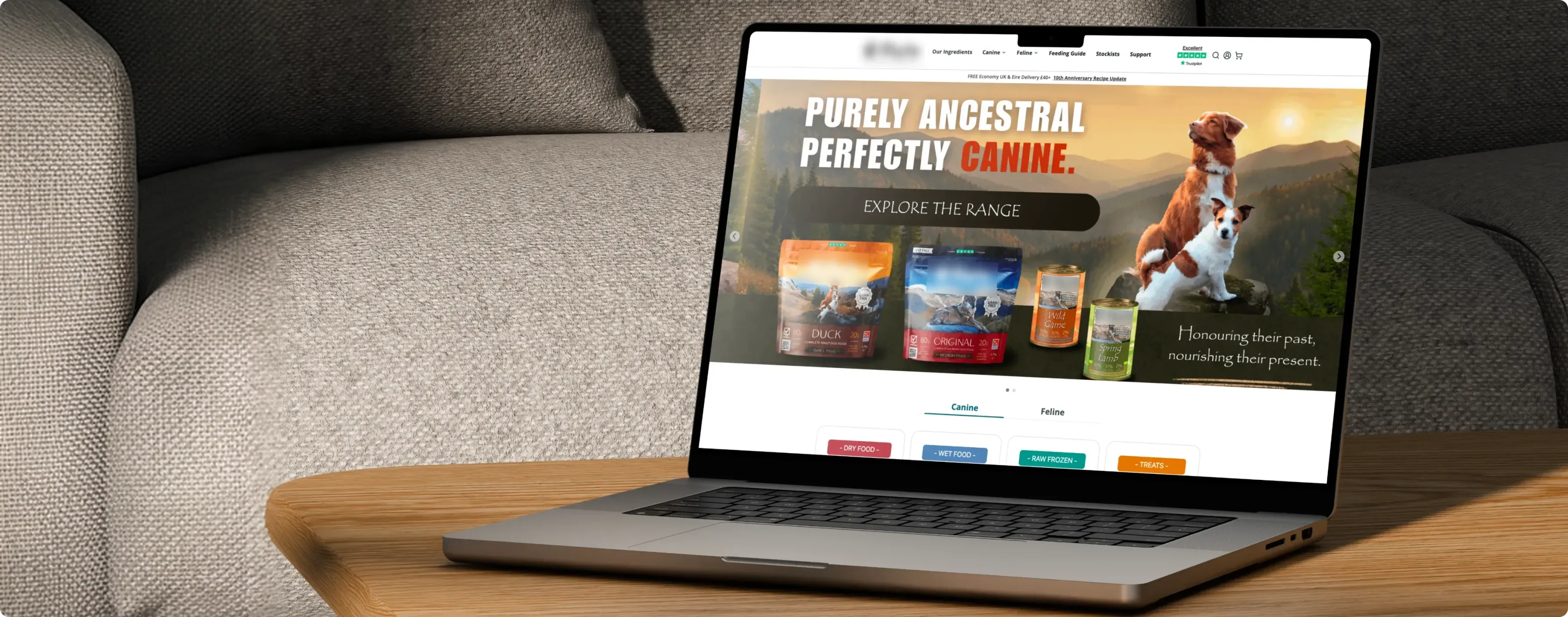
E-Commerce | Retail
A Multi-Brand Magento Platform for Pet Food eCommerce
This case study is a real-world example of our work as a Hyva development company, building a multi-brand Magento platform that runs four independent pet food storefronts from a single Magento 2 installation.
View Case Study
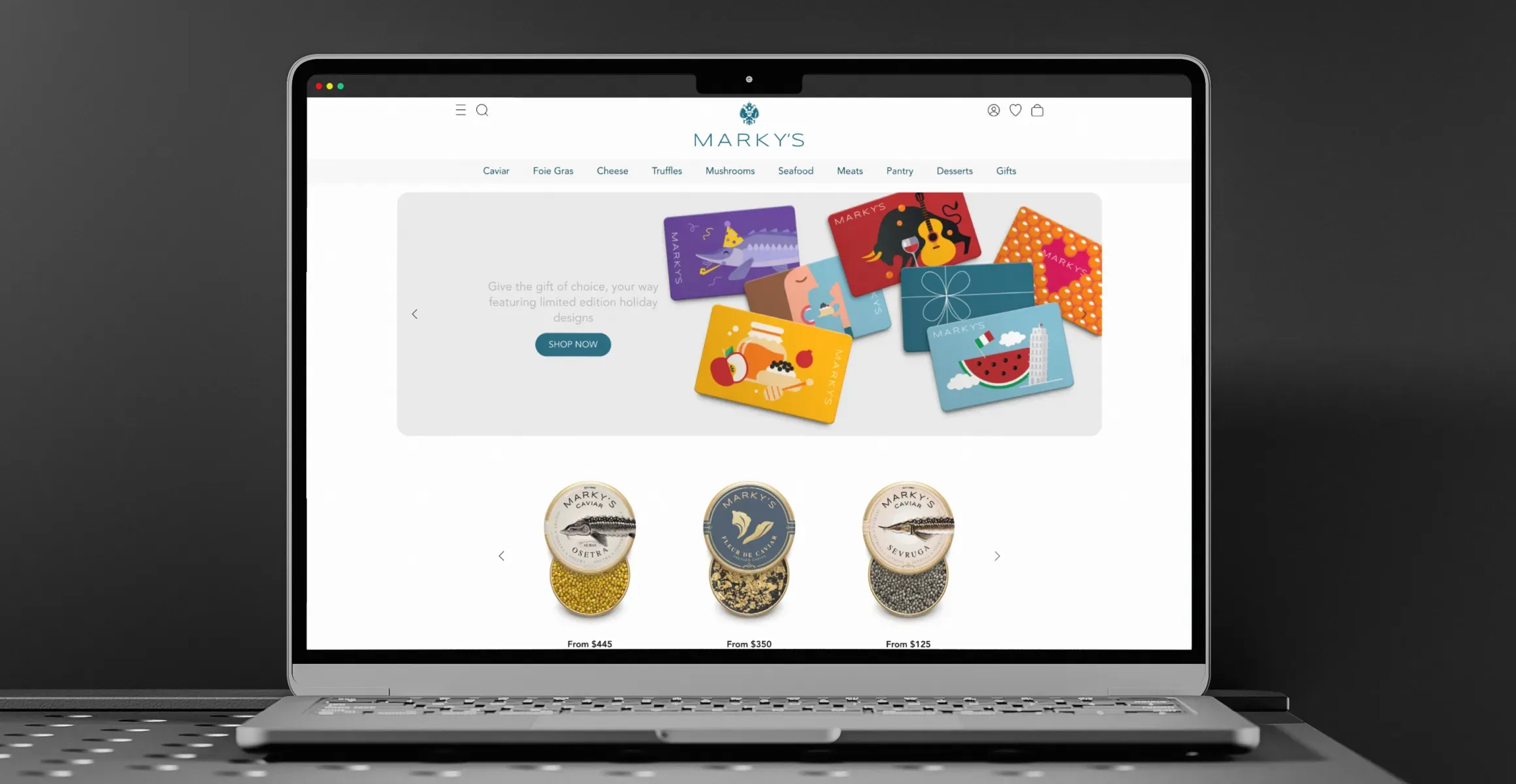
Retail | E-Commerce
Magento 2 Hyva Migration: A Luma to Hyva Storefront Migration
This case study is a real-world example of our work as a Hyva development company, carrying out a Magento 2 Hyva migration for a retailer running both B2C and B2B customer journeys on a legacy Luma frontend.
View Case Study

Retail
Enterprise Integration Platform
MuleSoft-powered omnichannel retail integration for enterprise commerce operations
View Case Study
Let's Talk
See Cinovic's Expertise in Action Book Your Free 15-Minute Development Demo
Join 100+ teams scaling with Cinovic. Fill out the form below to get personalised tour of the platform.
Frequently Asked Questions About Hyva Storefronts for Fashion eCommerce
Hyva is built on Alpine.js and Tailwind CSS instead of Luma's heavier Knockout.js and RequireJS stack, which means far less JavaScript and CSS shipped to the browser on every page, the main reason Hyva storefronts load faster, especially on mobile.
Full page reloads interrupt the shopping flow and add perceived wait time at exactly the moment a customer is deciding to buy; AJAX-based cart and checkout updates keep the page in place so the interaction feels instant.
Yes, with a caching layer and lazy-loading strategy tuned for high-concurrency events, the storefront stays responsive even when traffic surges well above normal levels.
No. Existing features like wishlist, size guides, and campaign content are rebuilt on the new frontend through custom modules, so functionality carries over rather than being lost in the migration.
Yes, when campaign sections are built as CMS-driven blocks, marketing can edit homepage banners and landing pages directly without needing a code deployment for every change.
Typically it covers the full theme migration from Luma or another frontend to Hyva, AJAX-based cart and checkout rebuilding, CMS-driven content blocks for marketing, and the performance tuning needed to hold up under real traffic, this case study is one example of what that looks like end-to-end.
Beyond the theme swap itself, it usually includes rebuilding PDP, PLP, cart, and checkout interactions on Alpine.js, migrating custom Luma extensions to Hyva-compatible modules, and performance auditing to confirm the migration actually improved load times.
It tends to make sense when mobile page speed, cart abandonment, or Lighthouse scores are directly hurting conversion, or when a storefront can't hold up during high-traffic events like flash sales, cases where the frontend itself, not just content, is the bottleneck.
It means designing the frontend around real shopping behaviour AJAX interactions instead of full reloads, lazy-loaded assets instead of everything up front, and CMS driven content instead of hardcoded banners, so performance holds up under both everyday and peak traffic.