Claims Intake API - Standardises incoming claims from multiple provider formats into one canonical model
Who Benefits
ProvidersOperations


Project Overview This project is an end-to-end MuleSoft healthcare integration for a health insurance organisation. Using API-led connectivity on the MuleSoft Anypoint Platform, we replaced brittle point-to-point connections with a single integration layer linking payers, providers, and billing systems. The result is faster claims processing automation, real-time claim status for providers, and a reliable audit trail. This work is part of our MuleSoft integration solutions and our wider application and system integration services.
Industry
Industry
Focus Area
Core Technology
Frontend / Interface
Automated data flow between systems replaced manual export/import steps
The canonical data model eliminated manual reconciliation between formats
Real-time claim status checks reduced routine provider support calls
System and Process APIs are reused across new integration projects
Challenge
Point-to-Point Integrations
Root Cause
Each system connected directly to every other system it needed data from
Business Impact
Every new system added meant more brittle, hard-to-maintain connections
Challenge
Slow Claims Turnaround
Root Cause
Claims data passed through manual exports and imports between systems
Business Impact
Processing delays pushed out reimbursement timelines for providers
Challenge
Inconsistent Data Formats
Root Cause
Providers, payers, and internal systems each used different data formats
Business Impact
Manual reconciliation was needed before claims could be processed
Challenge
No Real-Time Status Visibility
Root Cause
Providers had no way to check claim status without calling support
Business Impact
Support teams fielded a high volume of routine status-check calls
Challenge
Compliance & Audit Requirements
Root Cause
Claims data had to be tracked and auditable across every system it touched. Fragmented integrations made a reliable audit trail hard to produce, and healthcare teams must also account for rules such as HIPAA.
Business Impact
Fragmented integrations made it difficult to produce a reliable audit trail
Principle
API-Led Connectivity Architecture
What We Did
Built System, Process, and Experience API layers instead of direct point-to-point connections
Why It Matters
New systems connect through a stable API layer instead of a new custom integration each time
Principle
Canonical Data Model for Claims
What We Did
Defined a standard internal claims data format that all integrations map to
Why It Matters
Data from different providers and payers becomes consistent before it reaches internal systems
Principle
Centralised Monitoring & Audit Logging
What We Did
Routed every integration flow through Anypoint monitoring with full audit logging
Why It Matters
Compliance teams get a reliable audit trail across every system a claim passes through
Claims Intake API - Standardises incoming claims from multiple provider formats into one canonical model
Real-Time Claim Status API - Lets providers check claim status without calling support
Payer System Connector - Process API layer connecting claims data to payer adjudication systems
Eligibility Verification Service - Checks patient coverage eligibility in real time before claim submission
Error & Exception Routing - Automatically flags and routes malformed or incomplete claims for review
Audit Trail Dashboard - Centralised view of every claim's path across connected systems
Reusable Experience APIs - Purpose-built APIs for the provider portal and internal ops console
Integration Platform
API Layer
Data
Monitoring
Security
Infrastructure
Faster Claims Turnaround
Automated data flow between systems replaced manual export/import steps
Fewer Data Format Errors
The canonical data model eliminated manual reconciliation between formats
Reduced Support Call Volume
Real-time claim status checks reduced routine provider support calls
Reusable Integration Assets
System and Process APIs are reused across new integration projects
Stronger Compliance Posture
Centralised audit logging gave compliance teams a reliable, system-wide trail
Easier Onboarding of New Payers
New payer systems connect through existing API layers instead of custom builds
Optimize your cloud infrastructure, implement robust solutions, and stay ahead of trends with our resource hub.
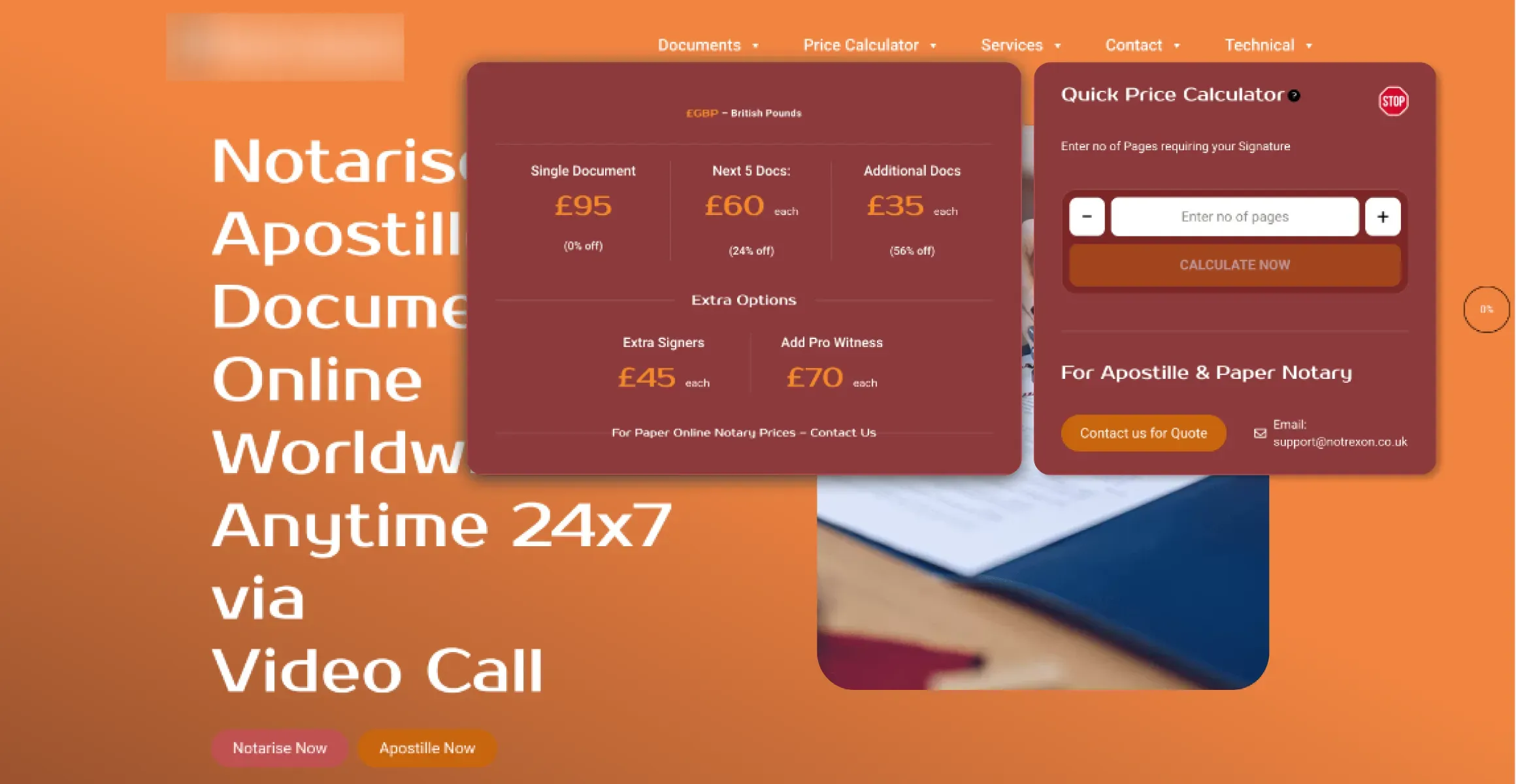
Explore how Cinovic built Notrexon’s online notary platform with digital notarization, booking, document management, payments, and apostille workflows.
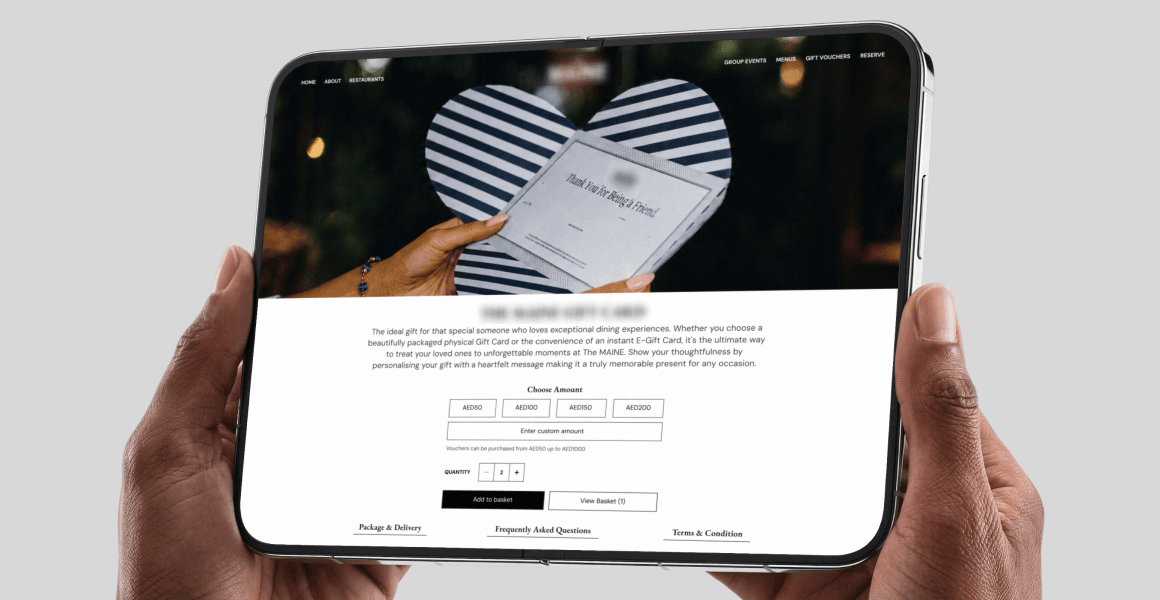
Discover how a gift voucher management platform helps businesses manage digital vouchers, redemptions, transactions, and customer experiences efficiently.
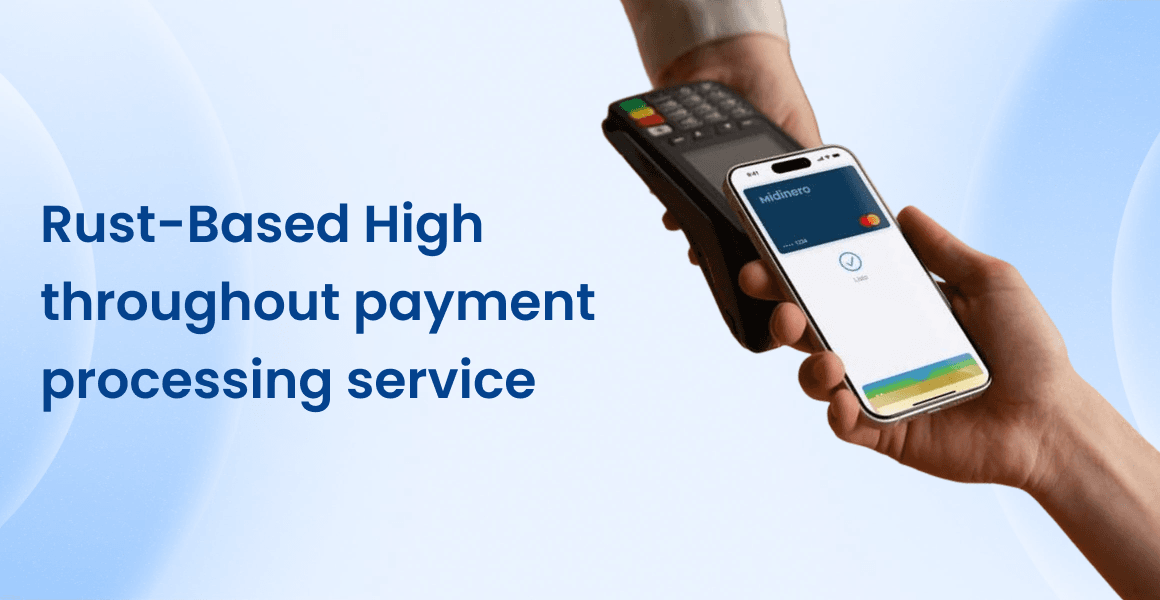
See how Cinovic, a Rust development company, rebuilt a payment gateway core in Rust for lower latency, safer concurrency, and lower infrastructure cost at scale.
Join 100+ teams scaling with Cinovic. Fill out the form below to get personalised tour of the platform.
API-led connectivity separates System, Process and Experience APIs, so each layer can change without breaking the others. New payers, providers or portals connect through the existing layers instead of a new custom integration, which keeps claims processing easier to maintain and extend.
A canonical data model is one standard internal format that every system maps to. Claims arriving in different provider and payer formats are converted once, so internal systems always receive consistent data and manual reconciliation is no longer needed.
Providers can check a claim's status themselves instead of calling support. That removes many routine status-check calls and frees support teams to handle complex cases.
Every integration flow runs through Anypoint monitoring with full audit logging. Compliance teams can trace a claim's path across every connected system from one place.
New payer systems connect through the existing System and Process API layers, not a custom build. This shortens onboarding and reuses the integration assets already in place.
Yes. We design and build API-led integrations on the MuleSoft Anypoint Platform around your systems, data formats and compliance needs. Share those details, and we will scope the right architecture.